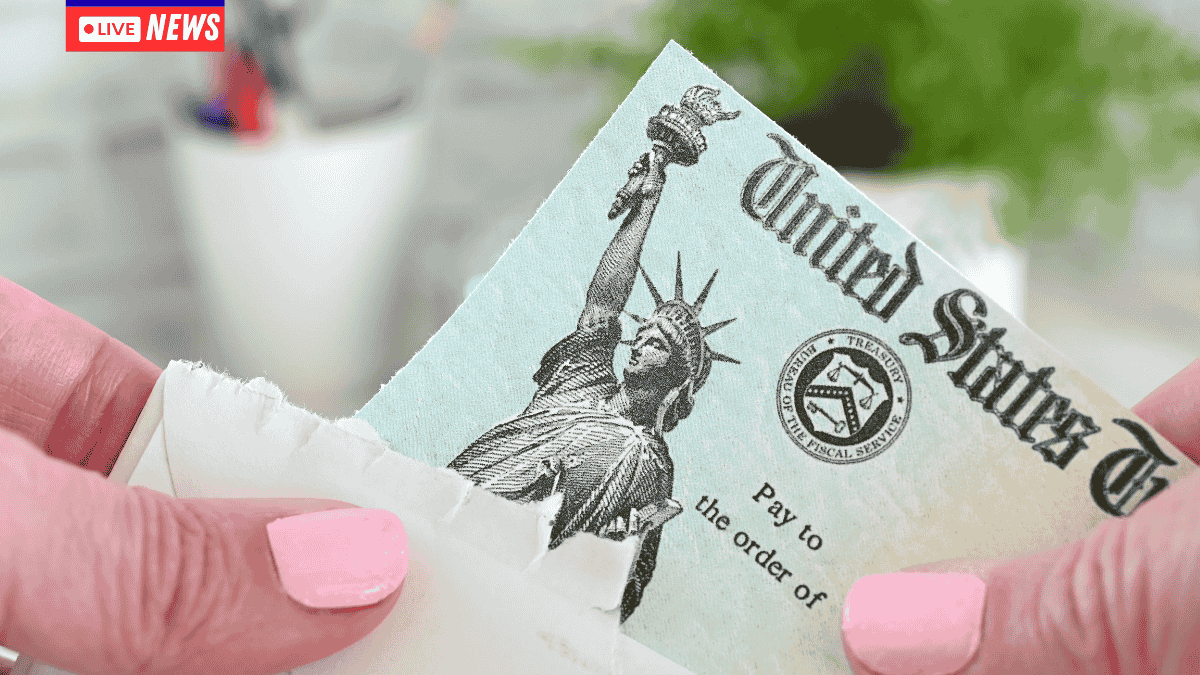
IRS Confirms $2,000 Direct Deposit for All: In recent months, many people in the United States have seen repeated claims about a possible $2,000 IRS direct deposit. These claims are everywhere, from social media posts and YouTube videos to blog articles and forwarded messages. Because many families are still struggling with high living costs, the idea of extra money arriving from the government feels hopeful. However, it has also created confusion and unrealistic expectations. At present, no such payment has been officially approved.
It is important to separate facts from speculation. Planning household finances based on unconfirmed information can cause serious problems later. Understanding the real status of this proposal helps people make better decisions and avoid disappointment or financial stress.
What Is the $2,000 Direct Deposit Proposal?
The $2,000 amount being discussed is usually connected to something called the “tariff dividend” idea. This proposal suggests that some of the money collected by the government through import tariffs could be returned to taxpayers as a one-time payment. Supporters say this could help families manage rising prices for food, rent, and other essentials.

Some people also describe this as a “fourth stimulus check,” but that label is misleading. Unlike the pandemic-era stimulus payments, this proposal has not been turned into law. It remains part of political discussion and public debate, not an active government program.
Has the $2,000 Payment Been Approved?
As of early 2026, the $2,000 IRS direct deposit has not been approved by Congress. Without congressional approval, the IRS has no legal authority to issue such a payment. This means there is no official payment date, no confirmed eligibility rules, and no guarantee that any money will be sent.
Any article or post claiming that the payment is already approved or “coming soon” should be viewed carefully. Until a law is passed and signed, these claims remain rumors rather than facts.

Why This Proposal Is Getting So Much Attention
The reason this proposal has gained so much attention is simple. Many American households are under financial pressure. Food prices, rent, healthcare costs, and debt payments continue to stretch monthly budgets. Even though inflation has slowed, everyday expenses still feel heavy for many families.
The memory of earlier stimulus checks also plays a role. During the pandemic, government payments provided quick relief, and people remember how helpful they were. As tax season approaches each year, any mention of government payments feels more believable, even when no official action has been taken.
How the Payment Might Work If It Were Approved
If the $2,000 proposal ever became law, the IRS would likely use a system similar to past relief programs. Eligibility would probably be based on recent tax returns. Income level, filing status, and family size would all likely matter.

Some households might receive the full amount, while others could receive less or nothing at all, depending on income limits set by the final law. However, until legislation is passed, all details about how the payment would work are purely speculative.
Payment Dates and Delivery Methods Remain Unknown
Because the proposal has not been approved, there is no payment schedule. The IRS has not announced any dates or timelines. If Congress were to approve the payment, official announcements would clearly explain when payments would start and how long distribution would take.
Direct deposit would likely be the fastest option, while paper checks would take longer. Until an official government statement is released, any dates shared online should be treated as guesses, not facts.

How to Avoid Misinformation and Scams
Whenever talk of government payments spreads, scams quickly follow. Fake emails, text messages, and social media posts often claim that people must “claim” their money or verify their identity. These messages are designed to steal personal or financial information.
The IRS does not contact people through random texts, private messages, or emails asking for personal details. If a payment is real, information will be shared openly through official government channels, not through links sent by strangers.
What Taxpayers Should Do Right Now
Since the $2,000 payment is not approved, people should not include it in their financial plans. Budgeting should be based only on confirmed income, such as wages, benefits, or known tax refunds. Depending on money that may never arrive can lead to missed bills or increased debt.

It is still smart to keep tax records accurate and banking information updated. These steps are part of good financial habits, even though they do not guarantee any future payment.
Final Thoughts on the $2,000 IRS Direct Deposit
The idea of a $2,000 IRS direct deposit for 2026 is currently only a proposal. No law has been passed, and no payment schedule exists. While the discussion reflects real financial stress faced by many families, it should not be mistaken for official action.
The safest approach is to rely on verified government information and ignore unconfirmed claims online. If this proposal ever becomes law, clear details will be shared publicly by official sources.

Disclaimer
This article is for informational purposes only and does not provide tax, legal, or financial advice. The $2,000 IRS direct deposit discussed here has not been approved or confirmed by the U.S. government. Laws, programs, and eligibility rules may change. Readers should rely on official IRS announcements or consult a qualified professional for guidance specific to their situation.